
News
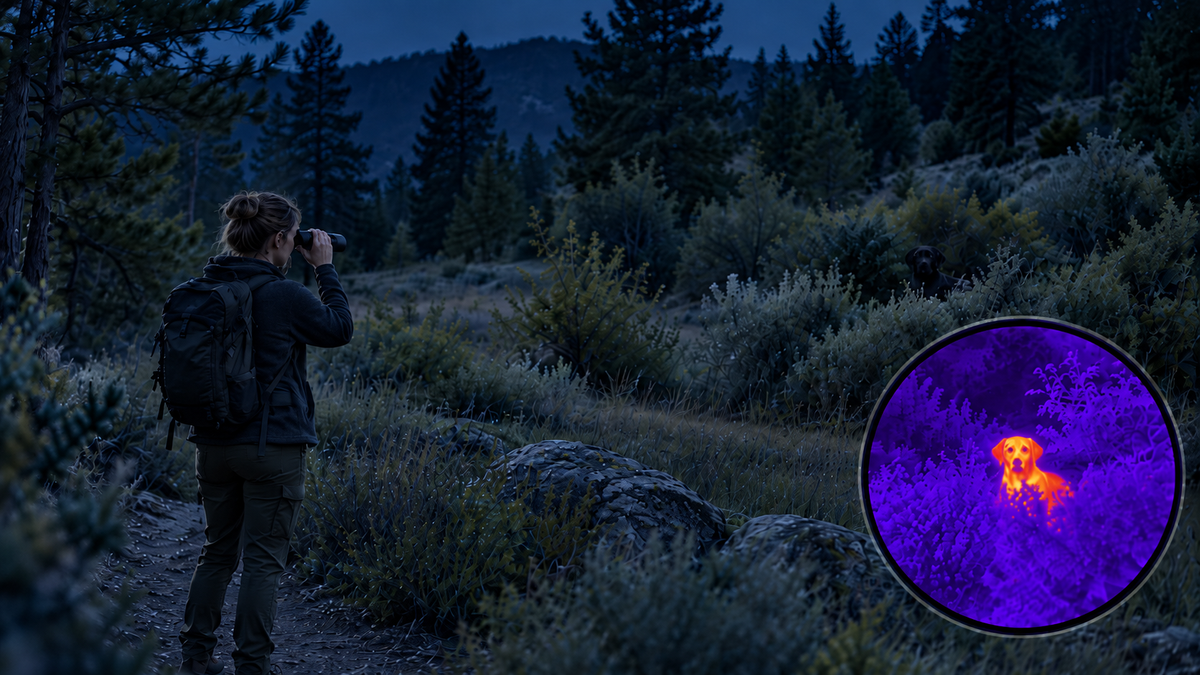
How Thermal Imaging Can Help Find a Lost Pet at Night
A handheld thermal imaging device can help during a nighttime search for a lost dog, cat, or other warm-blooded animal by making heat differences easier to notice in darkness.
Read moreabout How Thermal Imaging Can Help Find a Lost Pet at Night

384 vs 640 Thermal Monocular: What Resolution Really Changes
A 640-class thermal sensor contains far more detector pixels than a 384-class sensor, so it can provide more image detail when the lens system, field of view, sensitivity, processing and viewing conditions are comparable.
Read moreabout 384 vs 640 Thermal Monocular: What Resolution Really Changes

Thermal Imaging vs Digital Night Vision for Wildlife Observation: What Is the Difference?
A thermal imaging device detects infrared energy emitted by objects and turns temperature differences into a visible image. Digital night vision forms an image from available light and, on many devices, can use infrared illumination when natural light is limited.